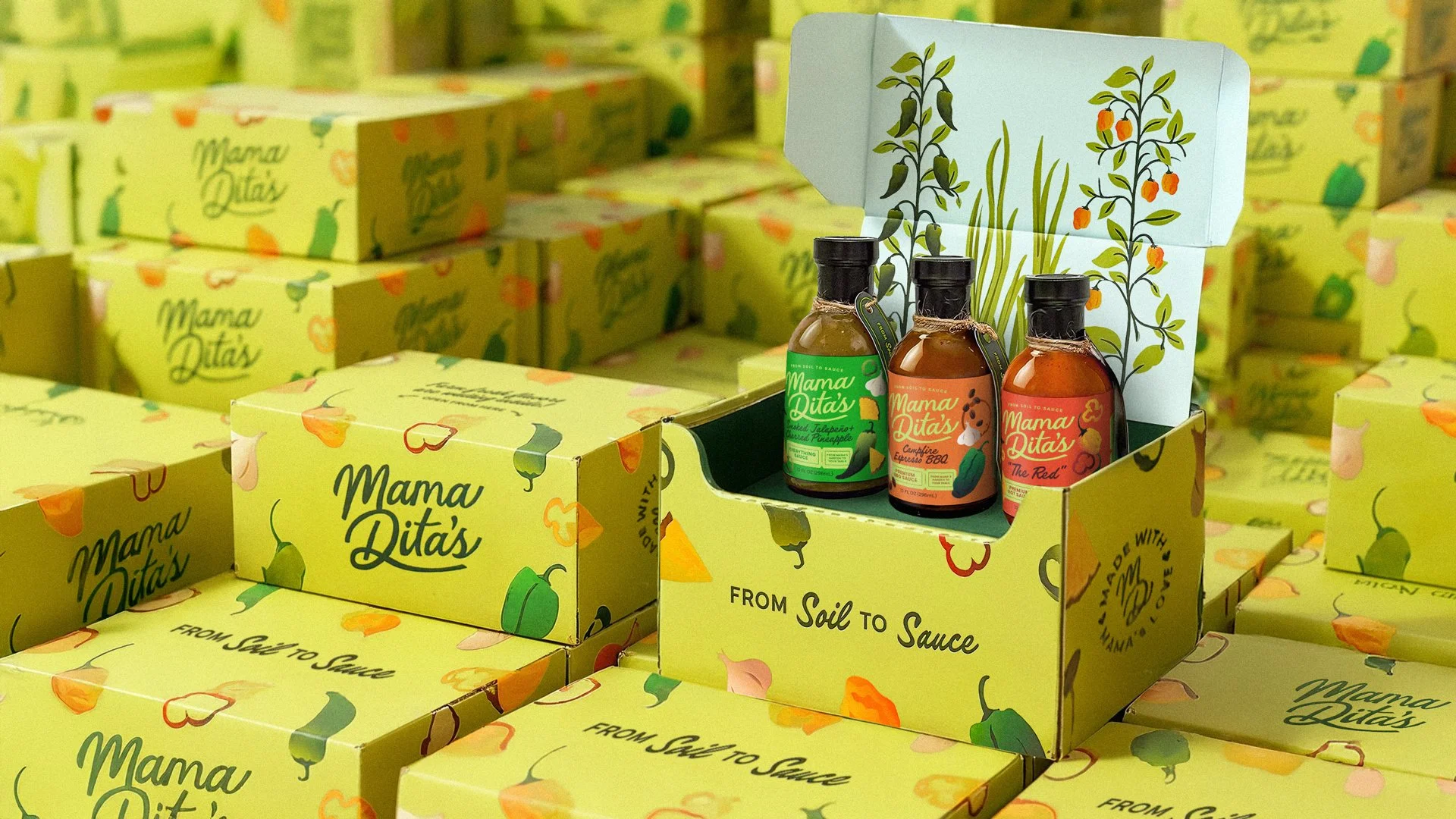
Shaping perception at a glance: How visual cues influence purchase intention

Packaging design isn’t just for housing a product, it’s a shortcut to building trust and reducing consumer risk.
Packaging is the silent salesperson.
In both physical and digital marketplaces, packaging serves as the first, and sometimes only, point of communication between your brand and a potential customer. Visual elements and material choices contribute to immediate judgments, influencing emotional responses and purchase intentions within seconds.
Done correctly, strategic packaging creates Immediate communication of brand values and positioning, emotional stimulation that draws consumers in, and a reduction in perceived risk through clear information
Done poorly, designs that are juvenile, abstract, or heavily reliant on excessive plastic are actively avoided. The difference isn't just aesthetics.
It’s strategic visual communication.
Why Packaging is a Strategic Branding Tool
Consumers face an overwhelming number of choices in today’s saturated retail environments. Because they often have to make rapid decisions with limited information, first impressions are critical.
Packaging is an essential component of branding. In highly visual industries, decisions are frequently made within seconds of exposure. A package’s visual elements directly influence purchase intention by acting as a stimulus that shapes the entire brand experience.
The key Principle:
Packaging functions as the first communication of who the brand is, shaping first impressions before any direct product interaction occurs.

What Makes Packaging Design Persuasive?
A well-executed design is built on specific attributes that strongly influence consumer behavior and perceived quality.
Every well executed design should focus on:
1. Stategic Color Psychology
Warm colors like red and orange link to energy and excitement. Cool colors like blue and green convey calmness, trust, and health, making them highly effective for wellness products.
Monochromatic and analogous color combinations generate more favorable purchase intentions than high-contrast palettes.
2. Clear Typography and Hierarchy
Legible typefaces and an organized, transparent presentation of product benefits make it easier for consumers to process information and perceive credibility.
3. Distinct Visual Elements
Packaging that combines clear product information with playful or visually engaging graphics attracts greater attention than purely centralized layouts.
4. Informative and Transparent Labeling
Clearly highlighting key product attributes, benefits, and certifications reduces perceived risk and increases consumer confidence when making quick decisions.
5. Strong Brand Alignment
Visual choices that clearly communicate the brand's values, personality, and positioning ensure the packaging feels authentic, which significantly increases credibility and trust.
The Minimalism Myth
“Minimalism = premium” is one of the biggest misconceptions in modern branding.
A stripped visual identity make a design feel generic.
Consumers need clear information to trust your product, but a visual hook to actually care about it.
An overly blank canvas fades away on highly competitive shelves.
If a design is overly minimalistic and lacks engaging visual elements, it fails to capture attention and communicate value effectively.

Sustainability as a Trust Builder
Material choice is just as important as visual execution. Sustainable packaging has emerged as a critical factor in shaping consumer perception.
Consumers actively express a preference for environmentally responsible options, with many indicating a willingness to pay more for them. Conversely, excessive plastic use produces weaker purchase intent and negatively impacts brand perception. Sustainability is not just a trend; it is a reflection of brand authenticity that directly increases consumer confidence.
Inside Fenomenal’s Brand Strategy Framework
At Fenomenal, our brand strategy works closely with consumer psychology and visual identity in the market. We design with strategy for activation. By treating every brand touchpoint as a strategic shortcut to trust, we engineer visual cues to influence emotional responses and perceived quality within seconds. We pair this with clear, narrative-driven art direction to reduce consumer risk and instantly communicate value. Ultimately, by treating packaging as an active point of communication rather than a passive vessel, we turn brand stories into shelf-stopping experiences that drive immediate purchase intention.
Conclusion: More than a container, it’s communication
If you treat your packaging like just a vessel, you are leaving your most powerful silent salesperson sitting quietly on the shelf.
but if you treat it as your primary point of communication, then you capture attention instantly.
Because consumers rely on design shortcuts to understand your brand's value and quality at a glance.
Are you ready to position your brand for impact and growth?
Let Fenomenal help you define your purpose and stand out in the market.

Download our Pricing Guide
Explore how Fenomenal can take your brand from concept to market with expert strategy, standout design, and powerful activation plans.
Sign up now to get your free guide and take the first step toward a phenomenal brand!